Input
User-supplied raw-disk cost
Standard spinning repository
A spinning repository without appliance-class reduction has to scale close to the effective protected capacity. Enter that quote in the model below.
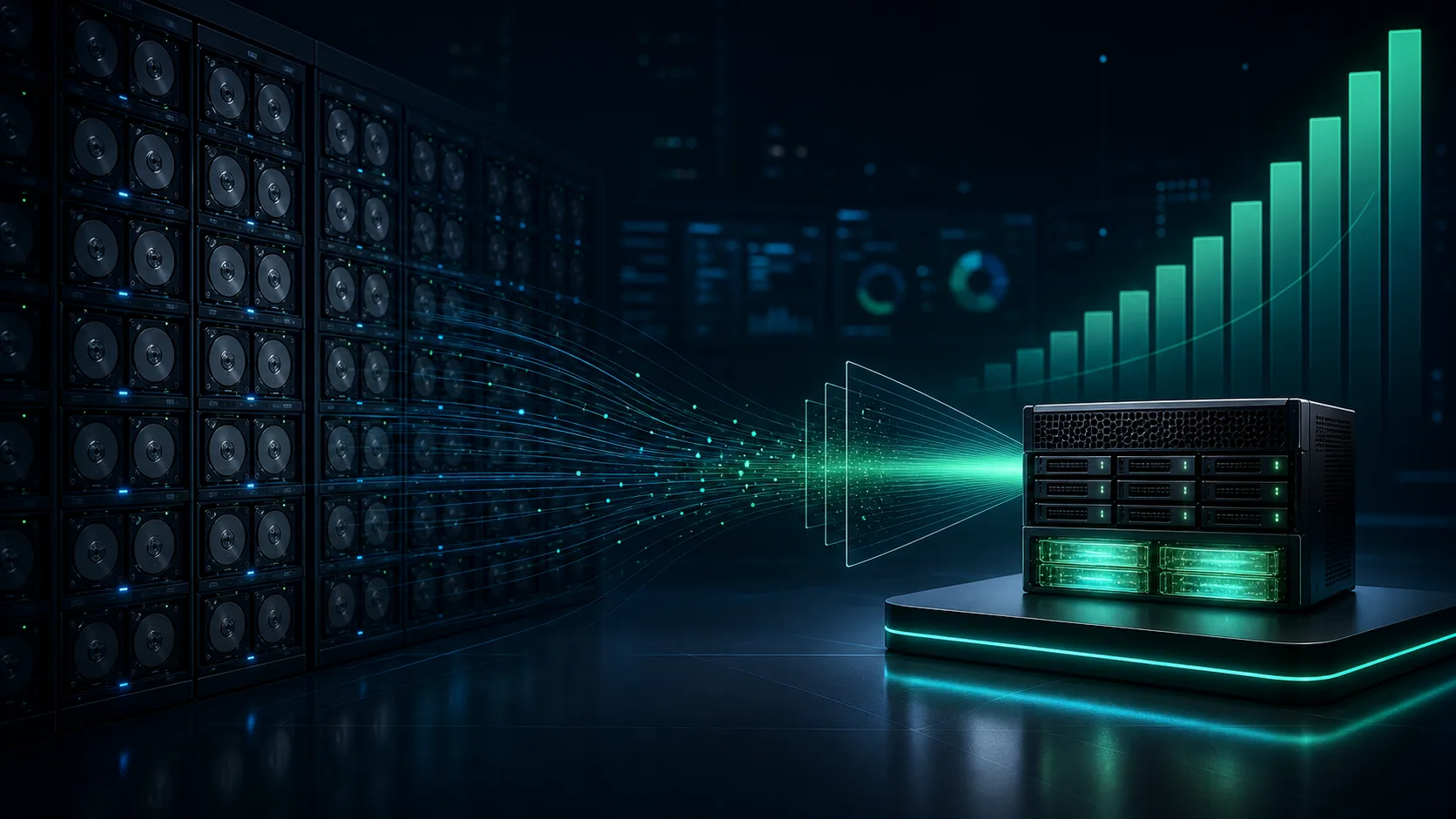
Petabyte-scale effective backup capacity with fewer disks, fewer shelves and EBA included in the Sendense platform.
Veeam native data reduction can help, but large backup repositories often still force a choice: scale standard spinning disk or add a deduplicating appliance. Sendense EBA brings repository efficiency into the platform layer.
EBA adds commodity disk behind the same repository engine. Traditional designs keep expanding shelves or appliance spend. Any cost difference depends on the quotes and assumptions you enter.
You enter
Three repository quotes
Hidden
Until you enter costs
3
Repository designs
Model
Arithmetic only
Repository Designs
Compare three repository approaches against the same capacity target. Competitor quotes and hardware costs stay hidden until you enter them. Capacity and reduction equivalence must already be reflected in those quotes. Outputs are arithmetic from those inputs, not expected Sendense savings.
User-supplied raw-disk cost
A spinning repository without appliance-class reduction has to scale close to the effective protected capacity. Enter that quote in the model below.
User-supplied appliance quote
A deduplicating appliance can reduce disk footprint, but the appliance quote is still a design input. This page does not publish a competitor price.
User-supplied hardware cost
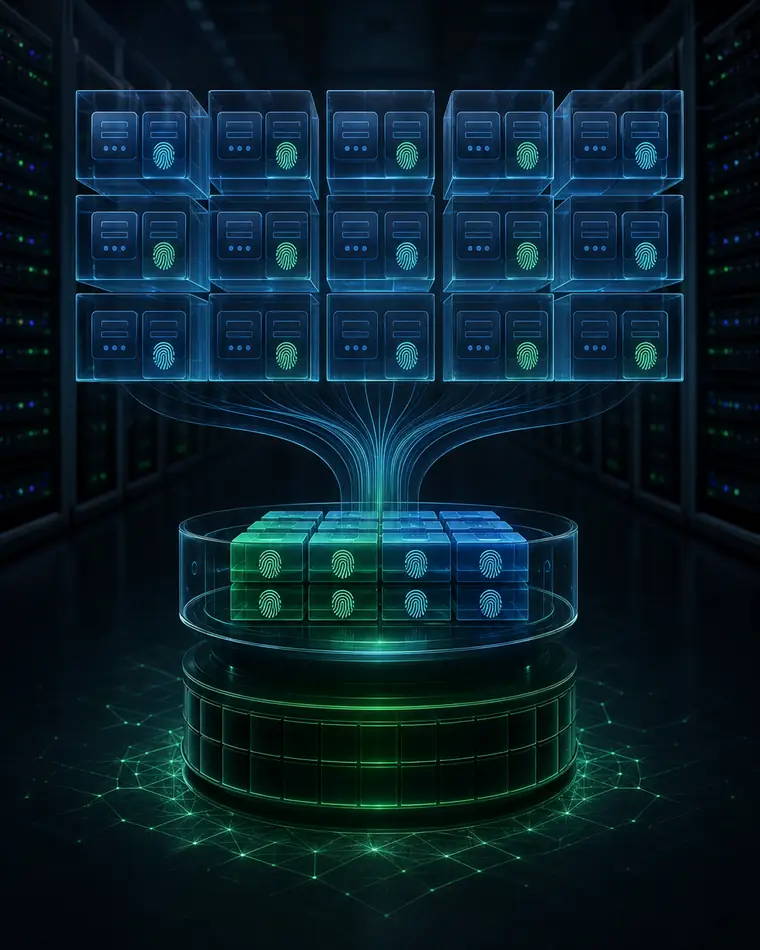
EBA fingerprints, deduplicates and compresses VM data. Actual reduction depends on workload mix, change rate and retention. Enter a hardware-design cost to compare arithmetic.
Capacity Model
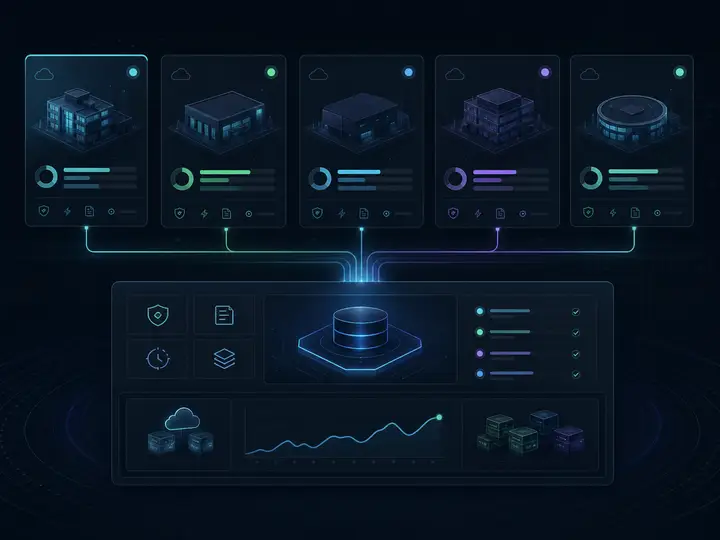
Compare a standard spinning repository, a deduplicating appliance design and a Sendense EBA repository design. Enter three costs; the page will not prefill competitor or Sendense prices.
Incremental expansion costs are not published here. Describe the next hardware step with your own disk, shelf and appliance quotes.
User-supplied assumptions
No competitor quote or saving is published until you enter three repository costs. Capacity and reduction equivalence must already be reflected in the quotes you enter. Outputs are arithmetic from those inputs, not expected Sendense savings.
Comparative percentages stay hidden until three repository costs are supplied.
Scale Comparison
This compares the incremental Sendense EBA hardware step with two non-Sendense repository choices: a raw spinning repository build and a quoted dedupe appliance path.
Sendense EBA expansion
Sendense pathDescribe the next EBA hardware step using your own disk and shelf assumptions.
Input
Raw repository expansion
External alternativeA non-deduplicating spinning repository grows with effective capacity. Enter that quote rather than using a published default.
Input
Dedupe-appliance expansion
External alternativeAppliance step-ups depend on the vendor quote you obtain. This page does not prefill one.
Input
For a provider selling protected capacity every month, repository capex is part of the service margin. This page does not publish a default price per TB or a payback period.
Enter your own protected-capacity price and hardware quotes if you want arithmetic. Outputs exclude support, power, server chassis, RAID/spare overhead, finance cost, software packaging and customer-specific operating costs.
Capacity, EBA hardware cost, billed revenue and any recovery-of-capex period stay blank until you supply those assumptions in the model above. They are not Sendense proof.
Why Sendense EBA
The value is not only the first purchase. Fewer disks also means less power, less cooling, less rack space, fewer disk failures and less time spent designing around a specialist appliance.
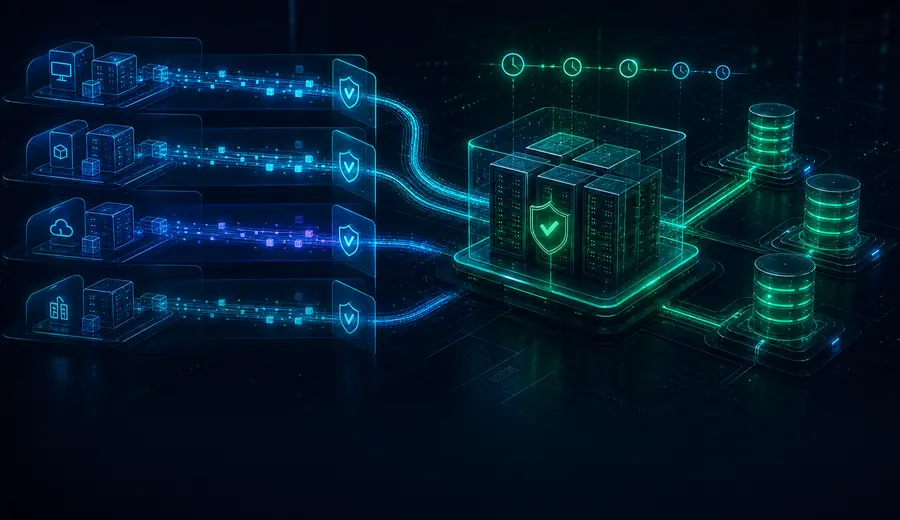
Deduplication, compression, retention and direct recovery behavior are part of the Sendense repository path.
A mirrored SSD tier absorbs hot write behavior while capacity sits on commodity spinning disk.
Fewer HDDs and shelves reduce the number of moving parts in the repository estate.
CSPs can sell protected capacity without repository capex consuming the service margin.
Next Steps
How EBA reduces, accelerates and governs Sendense repository storage.
The broader comparison: storage, S3, open DR targets and migration.
Build BaaS and DRaaS services with storage economics that protect margin.
Review Sendense licensing routes and contact sales for a scoped quote.
Assumptions
The model stays empty until you enter assumptions so customer-specific quotes stay visible and are not presented as Sendense results.
Veeam includes native compression and data reduction features, but that is not the same repository model as Sendense EBA. For appliance-class repository economics, Veeam estates often have to choose between scaling standard raw disk or adding a deduplicating storage appliance.
No reduction ratio is published as a Sendense result. Capacity and reduction equivalence must already be reflected in the three repository quotes you enter. Actual results depend on workload similarity, operating systems, change rate, retention depth, encryption scope and backup policy.
This page does not publish default EBA hardware prices. Enter the hardware-design cost you want to compare. EBA repository capability is included with Sendense; disk, shelf and server costs are separate inputs.
EBA scales by adding commodity capacity behind the repository engine. Raw spinning repositories and dedupe appliances keep adding larger hardware blocks. Whether that gap appears in a live estate depends on the quotes you enter, not on a published Sendense saving.
Share your current repository size, retention model, appliance quotes and target CSP price per TB. Sendense can help you run the same arithmetic against those inputs.