Design the operating model when you retain Sendense.
Build BaaS, DRaaS, VMware exit and managed cloud services around Sendense SCA, CloudStack, OSSEA and EBA.
This page is for organisations that retain and operate Sendense. It is not simple customer-specific resale and it is not Cloud Service Provider customer licensing.
SCA Control Plane
Provider Fleet Overview
48
Customers
1,248
Protected VMs
214
DR Runbooks
99.8%
Service Health
Healthcare Group
DRaaS + EBA
Finance Tenant
BaaS + Legal Hold
Regional Cloud
Managed IaaS
SCA
Fleet Control
BaaS
Backup Service
DRaaS
Recovery Service
EBA
Repository Design
SCA Control Plane
Provider Fleet Overview
48
Customers
1,248
Protected VMs
214
DR Runbooks
99.8%
Service Health
Healthcare Group
DRaaS + EBA
Finance Tenant
BaaS + Legal Hold
Regional Cloud
Managed IaaS
Provider service lines
Stack Services Without Stacking Tooling.
One Sendense operating model lets providers package protection, recovery, migration and managed cloud outcomes without rebuilding the practice for every customer platform.
BaaS
Backup-as-a-Service
Protect VMware, CloudStack, OSSEA, Azure and physical workloads with a governed service model instead of one-off tooling per customer.
DRaaS
Disaster Recovery-as-a-Service
Offer hot standby DR, test failover and planned failover on CloudStack, OSSEA or Azure without dragging VMware licensing into every recovery target.
Migration
VMware Exit Services
Move customers away from VMware while keeping protection, validation, retention and recovery history attached to the destination.
IaaS
Managed Cloud Services
Wrap managed infrastructure, backup, DR, retention and reporting into a service customers can buy as a single operating model.
SCA control plane
Fleet Control Without Collapsing Customer Boundaries.
SCA sits above customer hubs and sites so provider teams can see service health, usage and readiness while respecting tenant separation and audit expectations.
Multi-Tenant Operations Need a Narrow Control Surface.
Provider control has to be powerful enough to run the service, but narrow enough that customer boundaries, access scope and audit history remain defensible.
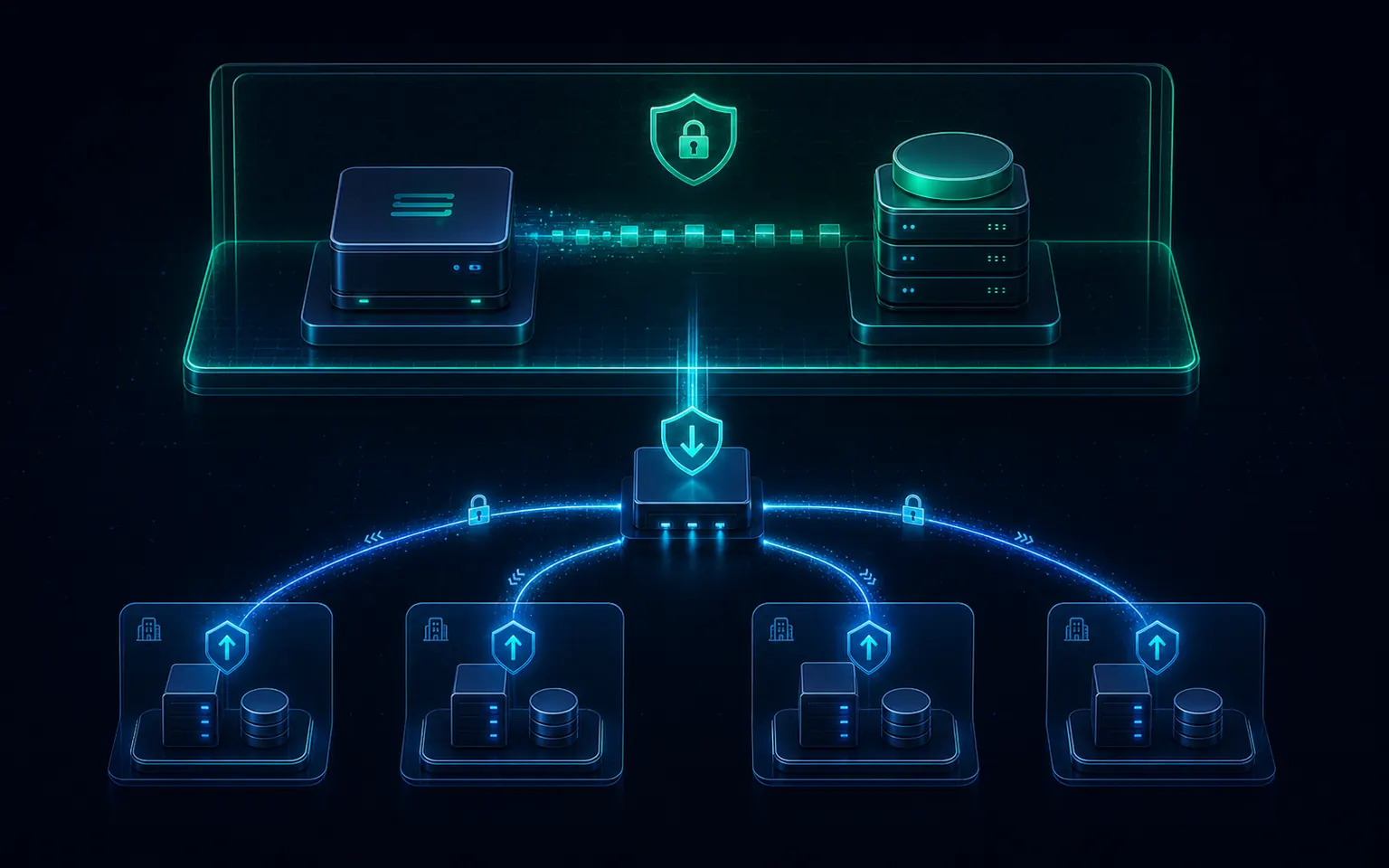
SCA is designed for multi-customer and distributed deployments where one team manages many sites.
Tenant-Aware Fleet View
See customers, sites, hubs, repositories, jobs and readiness status without collapsing tenant boundaries.
Scoped Operator Access
Give provider teams the access they need while keeping customer permissions, audit history and blast radius controlled.
Usage and Billing Signals
Expose the operational telemetry that maps cleanly to per-VM, per-site, per-GB and service-tier packaging.
Outbound Customer Sites
Remote sites initiate controlled paths back to the provider hub, reducing inbound exposure at protected customers.
Service economics
The operating model is the product surface.
Tenant boundaries, repository design, recovery architecture, usage signals and escalation paths decide whether retained operation is viable. No published margin or revenue-share number is offered here.

The Repository Is an Operating Choice
Deduplication, compression and archive reduction change the repository the operator runs. They are not a published margin figure.

One Service Across Platforms
Sell one managed protection model across VMware, CloudStack, OSSEA, Azure and physical workloads.
Customer Trust Has an Audit Trail
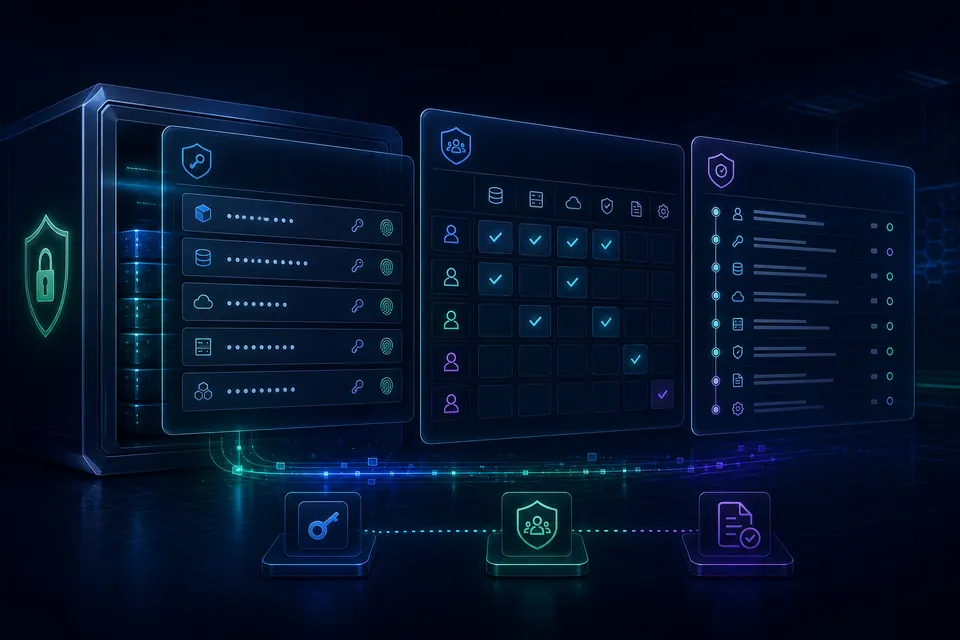
Operator actions, validation outcomes and recovery evidence stay visible for service reviews and compliance conversations.

Archive Cost Stays Defensible
Reduced external S3-compatible writes let providers package retention without letting archive spend consume the service.
Operating model
Name the operator before you quote the service.
Sendense helps providers build recurring services where the customer buys resilience, while the provider keeps control of target infrastructure, repository cost and operational effort.
Make the Service Valuable Without Letting Cost Drift.
Managed backup and DR stay operable when the provider can design the repository, avoid dragging standby platform tax into every recovery target, and run the same runbook across customers.
Commercial outcomes vary by customer profile, support model, target platform, repository design, data change rate and retained history. They are scoped, not catalogued.
Remove Standby Platform Tax
CloudStack or OSSEA recovery targets can reduce the cost of infrastructure that exists mainly to protect customers.
Keep Repository Control
EBA deduplication, compression and S3-compatible archive reduction shape the repository the operator is responsible for.
Standardize the Runbook
One operating model for backup, DR, restore, migration and validation reduces training cost across customer estates.
Sell Evidence, Not Hope
Proof, boot checks, health status and audit trails make higher-value managed recovery services easier to justify.
Service ladder
Start with Backup. Expand into Platform Ownership.
Sendense lets a provider start with a simple managed protection offer, then expand into DR, migration and managed cloud as customer trust grows.
Base
Protected Backup
Managed backups, retention, restore and reporting.
Managed backup service
Expand
Hot Standby DR
Runbook failover, test recovery and readiness evidence.
Provider-controlled recovery targets
Move
VMware Exit
Migration projects into CloudStack, OSSEA or Azure.
Migration and ongoing protection
Own
Managed Cloud
Provider-hosted production and DR with Sendense protection.
Provider-operated service
From First Customer to Repeatable Service.
The workflow is designed to turn protected estates into packaged services, then expand the relationship over time.
Enroll
Pair customer sites, hubs and operator access into the SCA control plane.
Discover
Inventory workloads, repositories, platforms and service tiers.
Package
Map backup, DR, retention, migration and reporting to offer tiers.
Protect
Apply policy, capture data, track health and keep evidence close.
Report
Export usage, readiness and service evidence for billing and review.
Expand
Move from BaaS into DRaaS, migration and managed cloud services.
New
Service Lines
Add BaaS, DRaaS, migration and managed cloud around one platform.
Named
Operating Model
Distinct from customer-specific resale and from CSP customer licensing.
Held
Operation
Protect, migrate and operate the estate you retain responsibility for.
Clear
Billing Signals
Use telemetry that maps to service packaging and monthly review.
Managed Service FAQs
FAQs for managed-service operations.
Short answers about BaaS, DRaaS, SCA, provider billing and customer boundary control.
01How Does Sendense Help MSPs Build BaaS and DRaaS?
Sendense gives MSPs a platform for managed backup, hot standby DR, recovery validation, repository retention and migration services. SCA adds the fleet-level view needed to operate those services across multiple customers.
02What Is SCA in a Service Provider Deployment?
SCA is the Sendense Central Appliance. It sits above customer hubs and sites to provide tenant-aware fleet visibility, licensing, telemetry and operational control for multi-customer and distributed deployments.
03Can Providers Use CloudStack or OSSEA for DRaaS?
Yes. CloudStack and OSSEA can be used as recovery or managed cloud targets, helping providers avoid VMware-style licensing on standby infrastructure while Sendense keeps backup, DR and evidence workflows attached.
04How Does Sendense Support Billing and Reporting?
The page focuses on telemetry that maps to service packaging: protected workloads, usage, repository footprint, readiness, job outcomes and audit history. Those signals can support billing exports and customer service reviews.
05How Are Customer Boundaries Protected?
Sendense separates site, hub and fleet roles. Remote customer sites initiate controlled outbound connectivity, and provider operators can be scoped through tenant-aware access and audit trails.
Build the Provider Offer Around the Control Plane.
Review your customer base, target services, CloudStack or OSSEA path, repository economics and SCA operating model with Sendense.